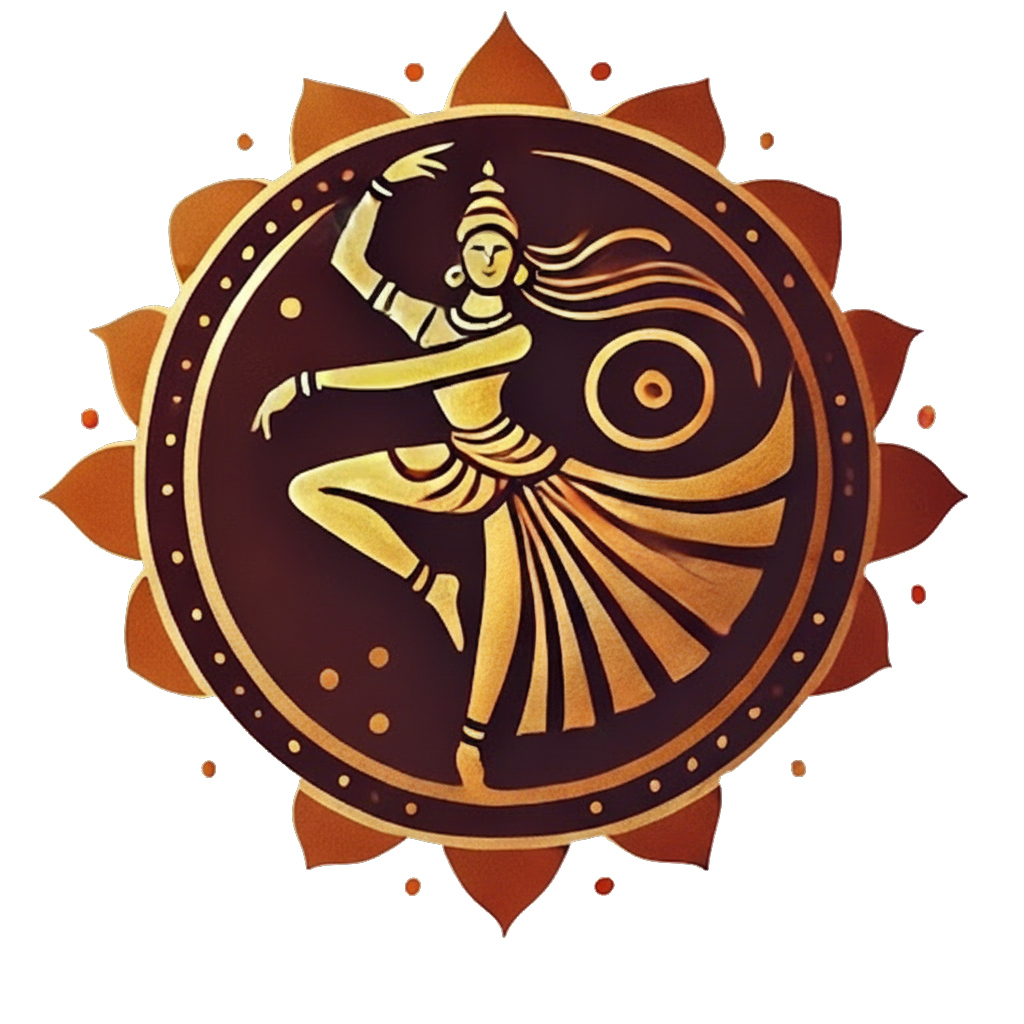

Bharatanatyam is one of India’s oldest and most revered classical dance forms, deeply rooted in spirituality, culture, and artistic expression. Originating in the temples of Tamil Nadu, this dance is not merely a performance it is a sacred tradition that has evolved over thousands of years while preserving its profound essence.
A Brief History of Bharatanatyam
Bharatanatyam traces its origins back over 2,000 years to the Hindu temples of South India, where it was performed as a form of devotion. The earliest references to its movements and structure can be found in the ancient Sanskrit text, the Natya Shastra (500 BCE–500 CE), and in the Tamil epic Silappatikaram (around 171 CE). Originally known as Sadiraattam, Bharatanatyam was performed by Devadasis women dedicated to temple service who used dance as a spiritual offering, especially to Lord Shiva in his cosmic dancer form, Nataraja. Temples such as the Brihadeeswarar Temple and Chidambaram Temple became prominent centers where this art flourished. By the mid-1st millennium CE, temple sculptures depicted intricate dance poses, proving that Bharatanatyam had already evolved into a refined and codified performance art.
Ancient Foundations
The theoretical framework of Bharatanatyam, often referred to as Sadir, is deeply connected to mythology. According to legend, Lord Brahma created this art form and passed it to sage Bharata, who documented it in the Natya Shastra. During this period: Dance was a spiritual ritual, not entertainment. Performances combined Bhava (emotion), Raga (melody), and Tala (rhythm). Mudras (hand gestures) and expressions narrated mythological stories.
The Medieval Era
During the medieval era, Bharatanatyam continued to thrive across South India. Temple architecture from this time reflects its importance. Bharatanatyam became an integral part of South Indian architecture. If you visit the Brihadeeswarar Temple or the Thillai Natarajar Temple in Chidambaram, you will see 108 Bharatanatyam poses carved into stone. Similarly, the Badami cave temples house a magnificent 5-foot sculpture of an 18-armed Shiva performing the Tandava, showcasing the intricate mudras (hand gestures) used in the craft. Sculptures of Lord Shiva in dynamic dance poses became widespread. The Thillai Natarajar Temple features 108 carved Bharatanatyam poses. The Badami cave temples in Karnataka showcase a striking Nataraja sculpture embodying dance movements and mudras. This period solidified Bharatanatyam as both a religious and artistic tradition.
The Modern Revival
The 19th and early 20th centuries were a dark time for the art. British colonial rulers, failing to understand the spiritual depth of the dance, banned temple performances. However, the 1930s saw a powerful resurgence led by visionaries:
- E. Krishna Iyer: A lawyer and activist who fought to restore the dance's dignity.
- Rukmini Devi Arundale: A choreographer who helped strip away the colonial stigma and founded the Kalakshetra style.
In 1932, Sadiraattam was officially renamed Bharatanatyam, marking a new chapter in its history.
The Three Pillars of Bharatanatyam
Bharatanatyam is built on a precise technical structure. Every performance is broken down into three broad divisions that balance technical skill with emotional storytelling.
I. Nritta (The Pure Dance)
This is the technical aspect. It focuses on Tala (rhythm) and Adavus (basic steps). In Nritta, the dancer emphasizes speed, pattern, and form without telling a story.
- Includes sequences like Alarippu, Jathiswaram, and Tillana
- Emphasizes symmetry, footwork, and coordination
II. Nritya (The Expressive Dance)
This is where the dancer communicates feelings and spiritual themes. Through Abhinaya (facial expressions) and Mudras (hand gestures), the dancer interprets the lyrics of the music.
- Combines movement with facial expressions and gestures
- Includes pieces like Shabdam, Padam and Varnam
- Conveys themes of love, devotion, and spirituality
III. Natya (The Dramatic Element)
Natya is the theatrical side of Bharatanatyam. The dancer takes on the role of specific characters from the Ramayana, Mahabharata, or Puranas, using the body and face to narrate epic mythological tales.
- Draws from epics like the Ramayana and Mahabharata
- Dancers portray multiple characters through expressions and mudras
- Creates a deeply immersive and narrative experience
Legends of the Art
The grace of Bharatanatyam has been carried forward by legendary artists who have preserved and innovated the form. Some of the most influential names include:
- Alarmel Valli
- Anita Ratnam
- Balasarswati
- Mallika Sarabhai
- Meenakshi Sundaram Pillai
- Mrinalini Sarabhai
- Padma Subramanyam
- Rukmini Devi
- Yamini Krishnamurthy
Bharatanatyam Today
Today, Bharatanatyam is celebrated not only across India but also around the world. It has transitioned from temple courtyards to global stages while maintaining its spiritual core. Modern dancers continue to innovate within the framework of tradition, making Bharatanatyam a living, evolving art form one that beautifully bridges the past and the present.
Conclusion
Bharatanatyam is more than just a dance it is a profound expression of devotion, storytelling, and cultural identity. From its sacred beginnings in Tamil temples to its global presence today, it stands as a testament to India’s rich artistic heritage. Whether performed as a spiritual offering or a stage presentation, Bharatanatyam continues to captivate audiences with its grace, precision, and emotional depth.